Kneeboard to Wakeboard: The Step-by-Step Progression
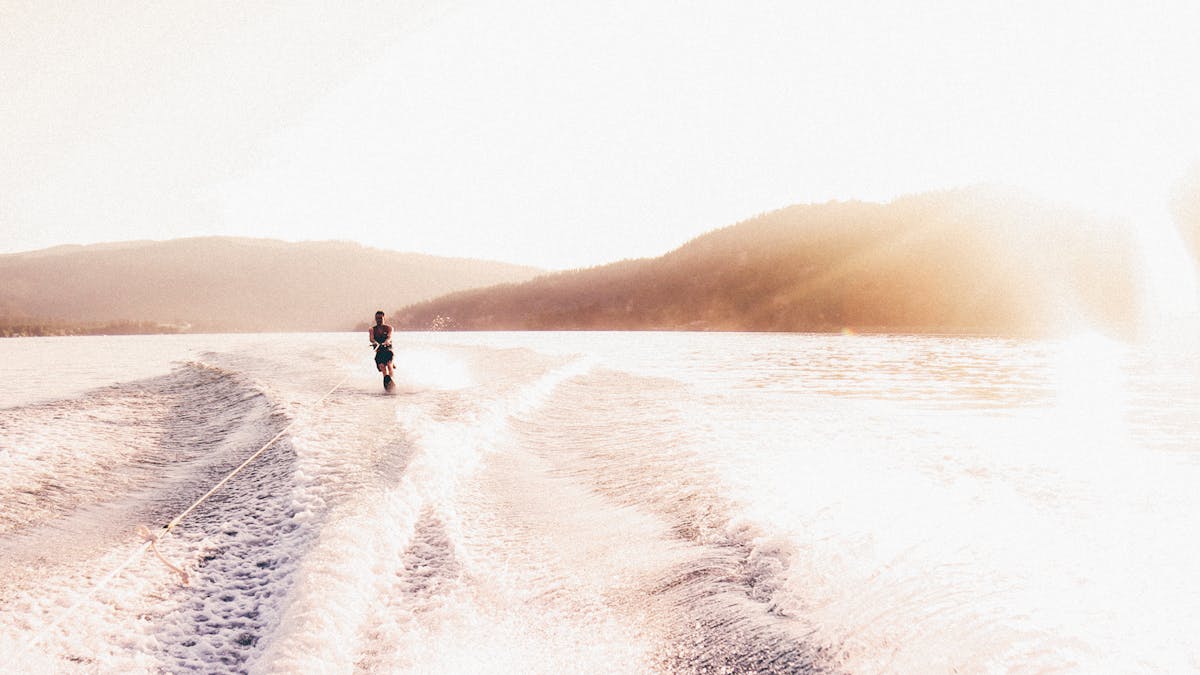
Already comfortable on a kneeboard? This step-by-step guide walks you through the transition to standing wakeboarding at Thailand's cable parks.
Why Start on a Kneeboard?
The kneeboard-to-wakeboard progression is one of the most effective learning paths for new cable riders. Starting on a kneeboard - a small board you ride on your knees with a strap across your thighs - dramatically lowers the learning curve. Your centre of gravity is lower, balance is easier, and you can focus entirely on reading the cable pull and learning to edge without worrying about standing up at the same time.
Many of Thailand's cable parks - particularly the beginner-friendly 2-tower parks like Taco Lake, Varapa, and Little Plant - still offer kneeboards for first-timers. If you've never been on a cable before, ask for one. You'll get up on your first session and you'll feel the pull of the cable properly before attempting to stand on a full wakeboard.
Step 1: Master the Kneeboard Basics
On a kneeboard, the goal is simple: get up on your knees, fasten the strap, and maintain a crouched position with your weight slightly forward. Look ahead, not at the water. Keep your arms slightly bent and let the cable do the work - don't try to muscle it. Once you can complete full laps without falling, you're ready to progress.
Step 2: First Time on a Wakeboard
Switching to a wakeboard is a significant jump. The board is longer, you're standing instead of kneeling, and your feet are locked into bindings at a sideways angle. Most beginners in Thailand start on a board with strap bindings rather than full boots - these are easier to exit if you fall and are more forgiving for early attempts.
The first goal on a wakeboard is simple: get up and stay up. Start with your knees bent, arms extended, let the cable pull you up rather than pulling yourself up with your arms. Most people need 3-5 attempts on their first session. By attempt 5 or 6, most people are staying up. By the end of a two-hour session, most riders can complete at least one full lap.
Step 3: Learning to Edge
Once you can ride in a straight line, the next goal is learning to edge - shifting your weight onto your heelside or toeside edge to control your position on the cable line. Toeside edging (toes into the water) moves you toward the cable; heelside (heels into the water) moves you away. Learning this is the foundation for all advanced riding - every trick, every obstacle, and every air move is built on edge control.
Where to Learn in Bangkok
For the kneeboard-to-wakeboard progression, Taco Lake in Bang Na is an excellent choice - the 2-tower system means the cable operator can adjust speed for your ability and the park is relaxed and beginner-focused. TWP Lumlukka and ESC Thai Wake Park both offer structured beginner coaching if you want to accelerate your progression with professional instruction.
How Long Does It Take?
Most people can ride a kneeboard competently in a single two-hour session. Moving to a wakeboard and completing a full lap typically takes one to three sessions. Getting comfortable enough to attempt your first obstacle or jump usually takes three to eight sessions depending on your athletic background and how regularly you ride. Thailand is one of the best places in the world to learn because sessions are affordable, parks are accessible, and you can ride year-round - there's no better place to stack sessions quickly.