Is Wakeboarding in Thailand Suitable for Absolute Beginners?
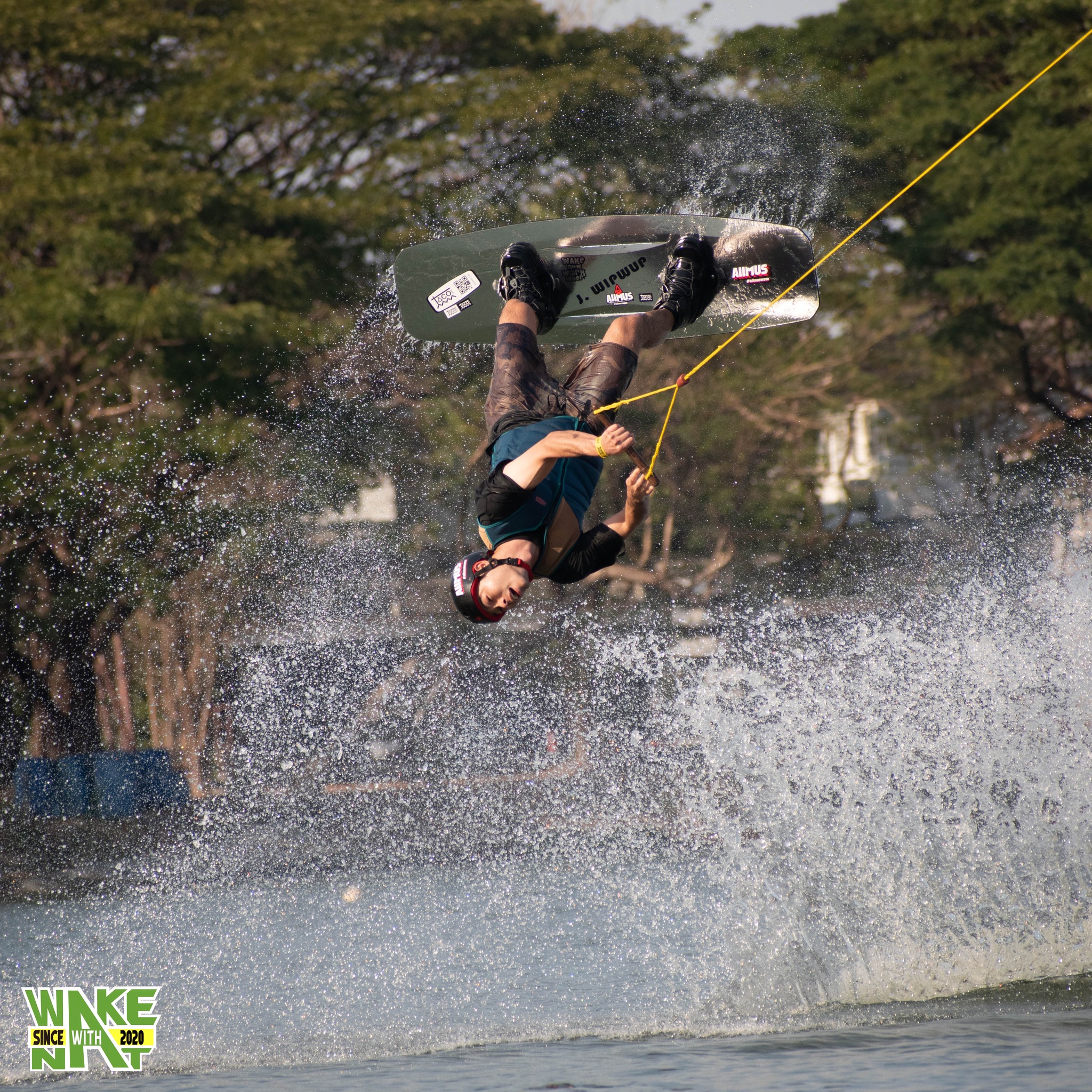
Never touched a wakeboard? Thailand's cable parks are one of the best places in the world to learn. Here's what to expect on your first beginner session.
If you have never stood on a wakeboard before and are considering trying the sport in Thailand, the honest answer is: yes, absolutely. Thailand is one of the best places in the world to learn wakeboarding from scratch. The combination of patient, experienced instructors, warm flat water, world-class equipment, and affordability makes the learning curve significantly gentler than you might expect. This guide walks you through everything a complete beginner needs to know before their first session at a Thai cable park.
What Is Cable Wakeboarding? A Quick Primer
Before we dive into the beginner experience, it helps to understand what cable wakeboarding is. Unlike boat wakeboarding - where a motorboat pulls the rider - cable wakeboarding uses an overhead cable system mounted on towers around the edge of a lake. The cable travels at a constant speed and pulls you around the lake via a handle and rope. Most Thai parks use full-size systems with 5 or 6 corners, meaning the cable travels around the entire perimeter of the lake in a continuous loop.
This setup is actually ideal for beginners. Because the cable pulls from above rather than behind (as a boat does), there is less resistance when you fall - you simply drop into the water rather than being dragged forward. You also share the water with other riders, which creates a social, supportive atmosphere, and you can watch others ride from the dock while you wait for your turn, picking up technique by observation before you even get in the water.
How Long Does It Take to Get Up on the Board?
This is the question every beginner asks, and the realistic answer is: most people get up within their first 30-minute session, and a significant number get up within their first 5-10 attempts. The cable start (using the T-bar or handle directly from the dock) is generally considered easier to learn than a boat start because the pull is smoother and more consistent.
The key fundamentals are simple: keep your knees bent, let the cable do the work, and resist the urge to pull yourself up with your arms. Most beginner falls happen because new riders try to stand up too quickly instead of letting the board gradually plane on the surface. Instructors at Thai parks are very experienced at coaching this transition and will typically have you attempting your first full run within the first session.
By the end of a full-day beginner session (typically 4-6 runs depending on the park), most first-timers can complete a full circuit of the lake while standing - even if the riding is not yet smooth or controlled. A few sessions over two or three days, and you will be riding confidently and starting to experiment with speed and edge control.
What to Expect at Your First Cable Park Session
Arrival and Check-In
When you arrive at any Thai wake park, the check-in process is straightforward. You pay your session fee (typically 600-1,000 THB for a full day including equipment), get fitted for a board and bindings, and collect your helmet and life jacket. Staff are accustomed to first-time riders and will walk you through the equipment without any pressure.
The Beginner Area
Most established Thai parks have a designated beginner section or a separate two-tower beginner cable that runs parallel to the main circuit. This slower, shorter cable allows beginners to practice getting up and riding in a low-pressure environment without the intimidation of faster, more experienced riders. TWP Lumlukka and ESC Thai Wake Park both have excellent beginner setups with patient dock staff who help position you correctly before each start.
Your First Start
The dock staff will walk you through the start position: board in front of you in the water, knees tucked to your chest, arms straight. When the cable takes up the slack and begins to pull, your job is simply to stay in that crouched position and let the board gradually lift you onto the surface. Do not stand up early. Do not pull with your arms. Just hold your position and the physics of the board will do the work.
You will fall. Everyone does. Multiple times. This is completely normal and part of the process. The water in Thai parks is typically warm (28-32°C year-round), shallow enough to stand up in most areas, and the falls from a cable system are generally gentler than boat falls. Staff will retrieve your board and bring it back to the dock, and you simply swim to the start position or back to the dock and try again.
Do You Need Any Previous Board Sport Experience?
No. While experience in skateboarding, snowboarding, surfing, or kitesurfing will help you get comfortable on the board faster - particularly with understanding edge control and weight distribution - it is absolutely not required. Complete beginners with zero board sport background get up on their first session every single day at Thai wake parks.
What matters more than board sport experience is body awareness, a willingness to fall, and the ability to follow simple instructions. If you can do those three things, you can wakeboard. Age and fitness level are also much less of a barrier than many people assume - we have watched riders in their 50s and 60s get up on their first session with proper instruction and a positive attitude.
Choosing the Right Beginner Park in Thailand
Not all parks are equally beginner-friendly, though all of the main Thai parks welcome first-timers. Here are the best options for absolute beginners specifically:
- Thai Wake Park (TWP) Lumlukka - Excellent coaching staff, dedicated beginner area, comprehensive rental equipment including beginner-specific boards with softer flex. The largest and most professional setup in Thailand.
- ESC Thai Wake Park (Rangsit) - Modern facilities, very patient instructors, large flat lake with minimal chop. Great for nervous first-timers.
- Taco Lake (Bang Na) - The oldest park in Thailand with experienced staff who have taught thousands of first-timers. The friendly, community atmosphere is particularly welcoming.
- Pattaya Wake Park - If you are staying in Pattaya, this is a solid choice with good instruction and a beautiful tropical setting that makes the experience even more memorable.
What to Wear and Bring to Your First Session
Wearing the right clothing makes a significant difference to your comfort and the quality of your first session. Board shorts or a swimsuit are the obvious choice. Avoid loose clothing that can catch water and drag you down. Rash guards are popular - they protect against the sun (UV is intense in Thailand year-round) and reduce skin irritation from repeated water contact. Most parks sell or rent rash guards if you do not have one.
Essential items to bring: high-SPF waterproof sunscreen (the water reflects UV and you will be in the sun all day), water bottle, a change of dry clothes, flip flops, and a bag to store your valuables at the dock. Some parks have lockers; others have secure areas at the reception. Leave your phone and camera in a safe place - there is nothing worse than ruining your phone in the lake during your first run.
Safety for Beginners: What You Need to Know
Thai wake parks take safety seriously. Life jackets are mandatory for all riders, and helmets are required or strongly recommended at every park. The cable systems themselves have built-in safety releases - if you fall and release the handle, the cable continues without you. There is no danger of being dragged or having the rope wrap around you, as the handle will simply detach.
The biggest safety consideration for beginners is awareness of other riders. When you fall, get your board and swim to the side of the lake quickly to avoid the path of the next rider coming around the circuit. Staff will explain this in the briefing, and experienced riders are very accustomed to navigating around beginners. Injuries at cable parks are relatively rare, and when they do occur, they are typically minor bruises or muscle soreness from falls.
How Many Sessions to See Real Progress?
Here is a realistic progression timeline for absolute beginners in Thailand:
- Session 1: Getting up and completing your first full circuit. Expect many falls. This is completely normal.
- Sessions 2-3: Riding more consistently. Starting to feel the edges and learn to control your direction.
- Sessions 4-6: Riding confidently from corner to corner. Beginning to approach basic obstacles (small ramps or rails at beginner level).
- Sessions 7-13: Riding heel-side and toe-side confidently. Attempting basic 180-degree rotations.
- Sessions 13+: Experimenting with jumps, presses on boxes, and more advanced progression.
Thailand is a uniquely efficient place to accelerate this progression because you can ride every day at very low cost. A 10-day trip dedicated to learning wakeboarding can take you from complete beginner to a rider who can handle basic obstacles - progress that might take months of weekend sessions back home.
Browse the full directory on Wakeparks Thailand to find the park closest to you, check facilities, and use the Get Directions button to navigate there. Every park listed has been verified by our team of experienced riders, so you can book with confidence knowing you are getting quality instruction and well-maintained equipment.